
Passive heating sounds technical, but the idea is as old as building itself. Let the sun in when you want it, keep it out when you do not, and hold onto the warmth once you have it. Do that well and a home stays comfortable with very little help.
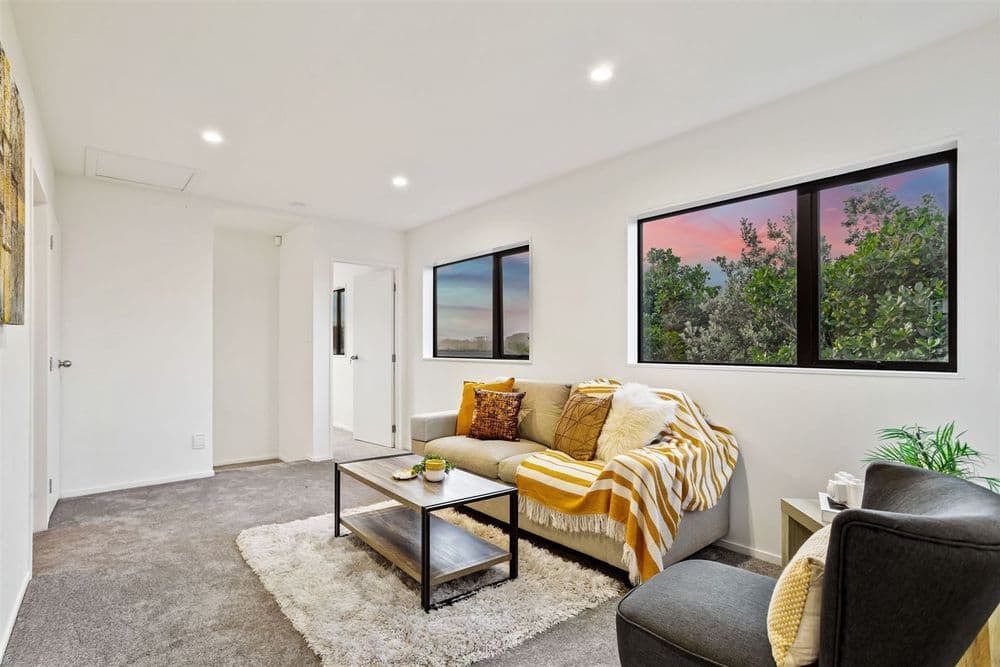
It starts with orientation. We position living spaces to face the winter sun, so low morning and afternoon light reaches deep into the room when the air is coolest. Good glazing then does two jobs at once, letting that light through while slowing the heat from escaping back out.
Inside, materials with mass, such as concrete floors, act like a battery. They absorb the warmth of the day and release it gently into the evening, smoothing out the highs and lows so the home never swings from hot to cold. Insulation in the walls and roof keeps that stored warmth where it belongs.
The result is a home that needs the heater far less often, and for far less time. That shows up directly on your power bill, month after month, and it makes for healthier, drier living without the damp and condensation that older homes can suffer.
We build passive heating in as standard on our new homes, alongside solar panels, because comfort should not be a luxury you pay for twice. Good design first, lower bills for as long as you live there.